
Papad Recipe: 5 Ways to Cook Bikaneri Papad (Roasted, Fried, Masala, Chaat & Cones)
By Bite Basket · • 7 views
A papad recipe isn't really one recipe. It's five ways to cook the same thin disc: roasted over a flame, fried in hot oil, loaded up as masala papad, crushed into chaat, or folded into a cone while it's still hot. Roasting takes about ten seconds. Frying takes three. Here's how each one works, and which papad to use for what.
I keep a packet of papad right next to the stove, not buried in the pantry. That's the whole trick, honestly. Papad is the snack you cook in the time it takes to decide you want it. No prep, no soaking, no waiting around. Ten seconds over a flame and you've got something that snaps like a cracker and tastes like Bikaner.
But here's the thing nobody tells you. The way you cook it changes everything. Same papad, roasted versus fried, and you'd swear they came from different packets.
Which papad should you start with?
Papad, or papadam as it's formally known, is a thin disc made from lentil flour, and most Bikaneri papad you'll find is either urad dal or moong dal. Urad is the classic. Pale, a little thick, and it puffs up beautifully over a flame. Moong is thinner and crisper, and it fries into something almost glassy. If you're buying your first packet, get urad. It forgives mistakes. Moong punishes a second too long in the oil.
Handmade matters more than the dal, though. A machine-pressed papad cooks flat and even, which sounds good until you taste it. The handmade ones are slightly uneven, a bit thicker at the edges, and they puff in patches with little blistered spots. That's where the flavour lives. We've written a full comparison of urad papad vs moong papad vs Punjabi papad if you want the deep dive.
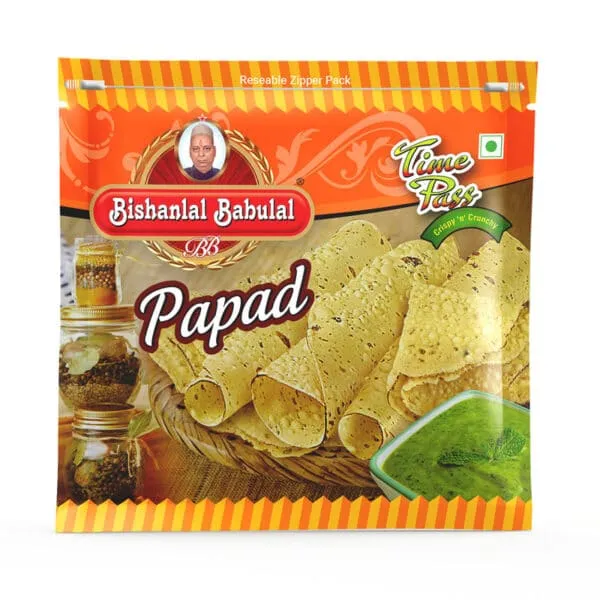
My pick is the hand-rolled papad from Bishanlal Babulal. They've been making it in Bikaner since 1956, and it roasts like a dream. Their handrolled papad is the one I reach for at home, and the tikdi papad is its thicker, spicier cousin. Better fried than roasted, in my opinion. Both are ₹670 a pack on BiteBasket at the time of writing.
1. Roasted papad, the everyday way
This is the one you'll cook a hundred times. Hold the papad with tongs, a few inches above a medium flame, and keep it moving. Don't park it in one spot or the middle burns while the edges stay raw.
You'll see it happen fast. The disc curls, blisters, then puffs. The first proper handmade papad I roasted puffed in about four seconds and I nearly dropped it. I wasn't ready for how quick it goes. Flip it, give the other side two or three seconds, and it's done. Total time: under ten seconds.
A few things that help. Medium flame, not high. High flame chars it before it puffs. Keep the papad moving in slow circles. And if it catches a tiny black spot, don't panic. One small charred patch is normal. A whole blackened papad means the flame was too high or you held it still too long.
No gas stove? A microwave works. Thirty seconds on high, flat on a plate. It won't blister the same way, and it won't taste quite like flame-roasted, but it crisps up fine for a weekday lunch. An electric coil hob works too. Just hold the papad a little higher, because the heat is harsher up close.
2. Fried papad, three seconds in hot oil
Fried papad is a different animal. It comes out of the oil puffed like a pillow, golden at the edges, and it stays crisp for hours. Roasted papad goes soft in twenty minutes if the air is humid. Fried papad is still snapping at dinner.
Heat a small kadhai of oil until it's properly hot. A corner of papad dropped in should sizzle hard and rise at once. Slide the papad in flat. It'll curl and puff in two or three seconds. Flip it once if the edges need it, then lift it out and let it drain on a plate for a few seconds.
Two mistakes to avoid. Oil that's not hot enough, and the papad drinks it and turns greasy. Oil that's smoking, and it browns before it puffs. The test is simple: if a small torn piece puffs instantly, the oil is ready.
Which papad fries best? Moong, and the thicker tikdi style. Thin urad papad fries fine too, but it goes from perfect to burnt in about one second, so keep your eyes on it. And use groundnut oil if you have it. That's what Bikaner's halwais fry in, and it leaves no aftertaste.
3. Masala papad, the one guests actually remember
Roast or fry a papad first. Either works, though fried holds up better under toppings. Then load it up. Finely chopped onion, tomato, a little green chilli if you like heat, fresh coriander, a pinch of chaat masala, and a squeeze of lemon. That's it. Five minutes, and it looks like something from a restaurant.
Two rules. First, chop everything small. Big chunks slide off and the whole thing falls apart in your hand. Second, serve it the minute you make it. Masala papad has a lifespan of about five minutes before the tomato juice starts softening the base. I make them one at a time when guests are over, assembly-line style, rather than a plateful in advance. It's more work, but nobody remembers a soggy papad fondly.
Want to make it your own? A spoon of sev on top adds crunch. A little Bikaneri bhujia works too, and Bikaneri bhujia got its GI tag back in 2010, so you're topping one Bikaner classic with another. A drizzle of tamarind chutney if you like sweet-sour. Grated cheese if the kids are eating. Don't knock it till you've tried it.
4. Papad chaat, when the packet's already open
This one's for the end of the packet, when you've got three or four papads left and nobody wants plain roasted again. Crush them into rough pieces. Not dust, pieces you can still pick up. Toss with chopped onion, tomato, boiled potato, green chutney, tamarind chutney, a little curd, and chaat masala.
It eats like a bhel, but better, because the papad pieces stay crisp longer than puffed rice does. The trick is the order: chutneys last, tossed at the table, not in the kitchen ten minutes early.
If you want more ideas for cooking with papad once it's out of the packet, our 5 Bikaneri dishes you can make with papad post has the full list. Papad ki sabzi, papad rolls, and the rest.
5. Papad cones, fiddly but worth it
Cones are the party trick. Fry a papad, and while it's still hot and soft, and you've got about five seconds, roll it into a cone around your fingers or a small glass and hold it till it sets. It crisps in that shape as it cools.
Then fill it. Chopped onion-tomato, a little chaat, maybe some sev. Stand them upright in glasses and they look like you spent an hour on them. You spent four minutes.
Honestly? This is the one method I'd skip on a weeknight. The timing is fussy and you'll burn a fingertip the first time. I did. But for a small get-together, it's the cheapest way to make a snack table look fancy.
Roasted vs fried vs masala: which one, when?
| Method | Time | Oil? | Stays crisp | Best for |
|---|---|---|---|---|
| Roasted | ~10 seconds | No | ~20 minutes | Everyday, with dal-rice |
| Fried | ~3 seconds | Yes | Hours | Guests, packing ahead |
| Masala papad | 5 minutes | No | ~5 minutes | Starters, tea-time |
| Papad chaat | 10 minutes | No | Serve at once | Using up the last papads |
| Papad cones | 5 minutes | Yes | ~30 minutes | Parties, kids love them |
How to keep papad crisp, and what ruins it
Uncooked papad hates moisture more than anything. Keep the packet sealed, in a dry cupboard, and it'll last weeks. Check the pack date, but honestly, papad outlives most things in the kitchen. Once the packet's open, a rubber band and a clip aren't enough in humid weather. An airtight dabba is the move.
The test is the bend test. A good papad snaps when you bend it. If it bends without breaking, it's picked up moisture. Don't throw it out. A few seconds over a flame brings it straight back.
And a note on buying. Papad is one of those things where handmade genuinely tastes different. You can tell by the uneven thickness and the way it blisters. The papad range on BiteBasket is all Bikaner-made, from makers like Bishanlal Babulal and JJ Foods, who've been hand-rolling papad for fifty years.
Start with roasting. It's ten seconds, it costs nothing, and once you've had a properly blistered handmade papad straight off the flame, the packet-by-the-stove habit makes complete sense.
Papad recipe FAQs
Which papad is best for roasting?
Urad dal papad, handmade. It's a little thicker than moong, so it puffs evenly over a flame and forgives a second too long. Moong papad roasts fine too, but it chars faster, so keep it moving.
Can you roast papad in the microwave?
Yes. Thirty seconds on high, flat on a plate. It crisps up well, though it won't blister the way flame-roasted papad does. Don't stack two papads; they stick.
How long does fried papad stay crisp?
Hours, if you keep it in an airtight container once it's cool. Roasted papad goes soft much faster, in about twenty minutes in humid air, so roast it right before you eat it.
Where can I buy handmade Bikaneri papad online?
BiteBasket stocks Bikaner-made papad from heritage makers, including Bishanlal Babulal's handrolled papad and tikdi papad, in the papad category. Look for hand-rolled, not machine-pressed, for the best puff.
Comments
Add a comment ↓No comments yet. Be the first to share your thoughts.
Leave a comment
Your email address will not be published. Comments appear after our team has read them.