
Urad Papad vs Moong Papad vs Punjabi Papad: Which One to Buy?
Published on • 2 views
Short answer: urad papad is the everyday, all-purpose papad — soft when roasted, mild, and the one most Indian homes keep in stock. Moong papad is lighter, thinner, and easier to digest. Punjabi papad is the bold one — thicker, spicier, and made to stand up to heavy gravies. Same snack family, three very different jobs at the table.
Walk down the papad aisle — or scroll through BiteBasket's papad section — and the choice looks confusing. Urad, moong, Punjabi, masala, plain: they all look like flat discs, and they all promise crispness. But anyone who grew up with papad at lunch knows they are not interchangeable.
Here's how the three big varieties actually differ, and which one belongs on your plate.
First, what all papads have in common
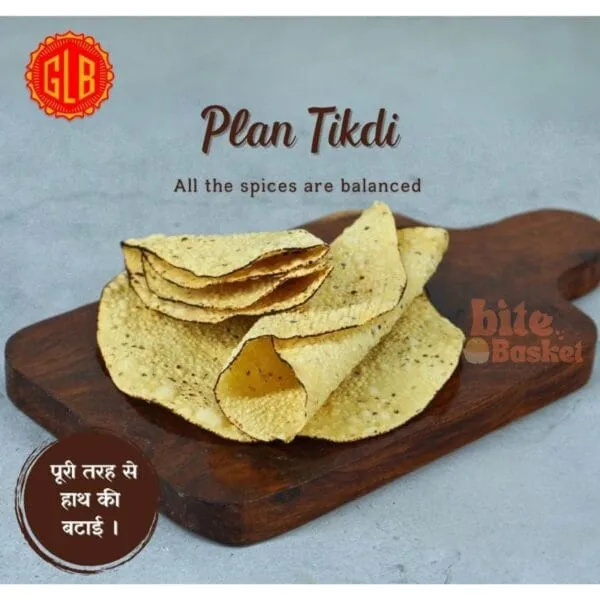
Every papad starts the same way: dal flour kneaded with water, salt, and a little oil into a stiff dough, rolled paper-thin, and dried in the sun. That drying step is the whole trick — a well-dried papad keeps for months without refrigeration and crisps up in seconds, whether you roast it over a flame or fry it.
The differences come from three things: which dal is used, how thick it's rolled, and how much spice goes into the dough. Change those, and you change everything about how the papad eats.
Urad papad: the everyday classic
Urad papad is made from urad dal (black gram) flour, and it's the default papad in most of India. If your family just says "papad" without any qualifier, this is almost certainly what they mean.
It's soft and pliable when roasted — it bends slightly instead of shattering — with a mild, earthy flavour and a gentle chew under the crunch. That mildness is its strength: it goes with everything. Dal, sabzi, khichdi, curd rice — urad papad never fights the main dish, it just adds crunch.
Urad papad is also the most forgiving to cook. Roast it over an open flame, microwave it, or fry it — it crisps evenly and rarely burns if you pay even a little attention. For daily meals, that's why it wins: no fuss, no drama, always good.
Best for: everyday lunches and dinners, kids' meals, pairing with dal and rice, and anyone buying papad for the first time.
Moong papad: the light one
Moong papad is made from moong dal flour, and it eats noticeably lighter than urad. The disc is usually thinner, the texture more delicate, and the flavour cleaner and less earthy.
That lightness has a practical side: moong is famously easy on the stomach, which is why moong papad is a popular choice for older family members and for people who find urad a little heavy. It also fries up beautifully — thin, golden, and shatteringly crisp — which makes it a favourite for serving with snacks and chaat.
Bikaner's Girdharilal, a house making papads since 1978, makes a well-known moong dal papad with hing and jeera in the dough. The hing adds a warm, savoury note without heat, and the jeera gives it a toasty aroma when roasted. It's a good example of how a simple papad can still have a distinct personality.
Best for: light meals, elderly family members, frying for guests, and pairing with chaat or light snacks.
Punjabi papad: the bold one
Punjabi papad is less about the dal and more about attitude. It's typically thicker than urad or moong papad, rolled with a generous hand, and spiced boldly — black pepper, red chilli, and sometimes ajwain or garlic notes in the dough.
That thickness changes how it eats. A Punjabi papad doesn't just add crunch; it adds presence. It stands up to rich, heavy food — butter chicken gravy, dal makhani, sarson ka saag — without disappearing. Roasted, it stays sturdy enough to scoop with. Fried, it puffs slightly and turns into something closer to a snack in its own right.
The trade-off is that it's not an everyday background player. Its strong spicing can overpower a delicate dish, and its thickness means it needs a little more attention when roasting so the centre crisps fully.
Best for: Punjabi meals, rich gravies, winter dinners, and serving as a snack on its own with chutney.
Side-by-side: which papad for which meal?
- Daily dal-chawal: urad papad — mild, reliable, goes with everything.
- Light lunch or khichdi: moong papad — thin, delicate, easy to digest.
- Dal makhani or Punjabi thali: Punjabi papad — thick, spicy, built for bold food.
- Chaat or snacks: moong papad, fried — shatteringly crisp, perfect for crushing over chaat.
- First time buying papad: start with urad, then try moong — you'll taste the difference immediately.
Roasted vs fried: does it matter?
Yes, and it matters differently for each type. Roasting over a flame keeps the papad light and lets the dal flavour come through — it's the best way to taste the difference between urad and moong. Frying makes any papad richer and more snack-like, and it's the method that flatters Punjabi papad most, since the oil blooms its spices.
A few practical tips that work for all three:
- Roast on medium flame, turning constantly — papad goes from done to burnt in seconds.
- If frying, the oil should be hot enough that the papad unfurls immediately; cool oil makes it leathery.
- Store papads flat, in an airtight box, away from moisture. A damp papad will never crisp properly, no matter how you cook it.
What about masala papad?
Masala papad isn't a fourth dal — it's a preparation. Take any roasted or fried papad and top it with chopped onion, tomato, coriander, chaat masala, and a squeeze of lemon, and you have the restaurant-style starter. It works best with urad or Punjabi papad, which are sturdy enough to hold the topping without going soggy in seconds. Moong papad is a little too delicate for a heavy topping — use it crushed over chaat instead.
Taste it for yourself
BiteBasket stocks papads from Bikaner's makers, including the classic and moong dal varieties from Girdharilal:
- Girdharilal Bikaneri Papad 500g — the classic Bikaneri papad, thin and crisp, from a house making papads since 1978.
- Girdharilal Moong Dal Papad 500g — high-protein moong papad with hing and jeera.
- Bikaneri Handmade Papad Brand Combo — a way to try more than one Bikaneri papad in a single order.
- Browse the full BiteBasket shop — papads, bhujia, namkeen and sweets, all from Bikaner makers.
Frequently asked questions
Which papad is healthiest: urad, moong or Punjabi?
Roasted moong papad is generally the lightest option, since moong is easy to digest and the papad is thin. But the cooking method matters more than the dal: any roasted papad beats a fried one, and portion size matters too — papad is a side, not the meal.
Can I roast papad in a microwave?
Yes. Place it flat on a plate and microwave for 30–60 seconds, watching closely. It won't taste quite like flame-roasted papad, but it crisps well and is the easiest method if you don't have a gas stove.
Why does my papad stay soft in the middle?
Either the papad absorbed moisture in storage, or the flame was too low and the edges cooked before the centre. Store papads airtight and flat, and roast on medium heat with constant turning.
Is Punjabi papad always spicy?
Usually, yes — bold spicing is what defines it. If you prefer mild papad, stick with urad or moong, and check the pack's description before ordering.
How long do papads last?
Months, if kept dry and airtight. Sun-dried papad is one of the longest-lasting items in an Indian kitchen — moisture is its only real enemy.
So the answer to "which papad should I buy?" is really "what are you eating it with?" Daily dal wants urad. A light lunch wants moong. A big Punjabi dinner wants the bold one. Stock two kinds, and you'll never be wrong.