
No Palm Oil Bhujia: Why Bikaner's Halwais Still Fry in Groundnut Oil
Published on • 3 views
No palm oil bhujia is the real Bikaneri bhujia. In Bikaner, the old halwai families fry their bhujia in groundnut oil — the way it has been done for generations. Palm oil only entered the namkeen business because it is cheap and it survives long supply chains. It was never about taste.
If you have ever wondered why bhujia from a Bikaner shop tastes sharper and lighter than the supermarket packets, the oil is a big part of the answer. Here is the whole story: why halwais stick to groundnut oil, what palm oil does to flavour, and how to check the label before you buy.
The short answer: groundnut oil is the original recipe
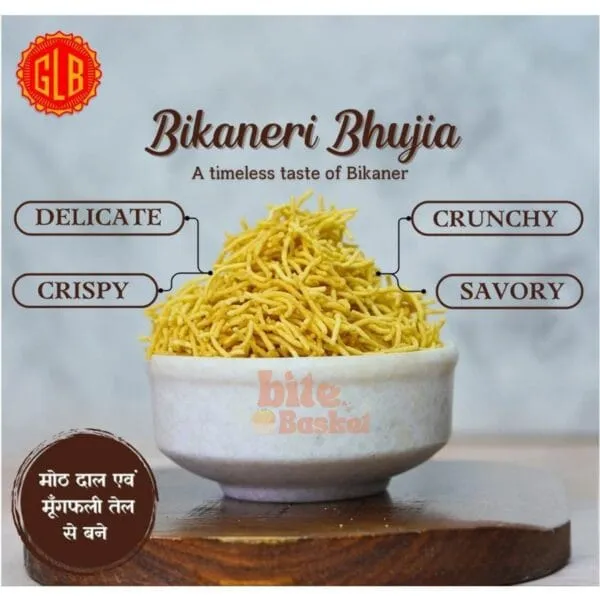
Bikaneri bhujia is made from moth dal flour, besan, and a handful of spices. The batter is pushed through a bhujia press straight into hot oil. In Bikaner's traditional kitchens, that oil is groundnut (peanut) oil — light, with a mild nutty note that lets the spices sit forward instead of fighting with the oil's own flavour.
Groundnut oil also has a high smoke point, which matters. The press-to-kadhai motion needs the oil consistently hot. If the oil is too cool, the bhujia drinks it and turns soggy. If it smokes and breaks down, you get that heavy, throat-catching aftertaste. Groundnut oil holds steady in the right zone, so the bhujia comes out crisp and clean-tasting.
This is not marketing copy. Girdharilal's own product page states their bhujia is "fried in pure groundnut oil, 100% palm oil free" — and on BiteBasket, every product across the catalogue is made without palm oil.
Why the industry switched to palm oil (and why Bikaner's old shops didn't)
Palm oil became the default frying oil for India's packaged snack industry for two reasons, both commercial. First, it is dramatically cheaper than groundnut oil. Second, it is extremely stable — a packet fried in palm oil can sit on a shelf for months without going rancid.
For a factory making thousands of tonnes, that is hard to resist. For a Bikaner halwai whose customers walk in, taste, and come back every week, it is a different calculation. Palm oil has a neutral-but-waxy mouthfeel and a distinctive heaviness. Anyone who eats bhujia regularly can taste the difference. The traditional shops in Bikaner — the ones with queues in the evening — fry in groundnut oil because their customers would notice if they didn't.
That is the real test of the claim. A halwai cannot hide a cheap oil switch from regulars. The ones still standing after decades are the ones that never made it.
What palm oil actually changes in the packet
Let's keep this practical and honest — not a health lecture. Three things change when bhujia is fried in palm oil instead of groundnut oil:
1. The crunch goes waxy. Palm oil solidifies differently. Groundnut-oil bhujia shatters cleanly; palm-oil bhujia often leaves a film on the roof of your mouth. Once you notice it, you can't un-notice it.
2. The spices sit flatter. Bikaneri bhujia's identity is its masala — the black pepper, the jeera, the particular salt balance. A heavy, neutral oil mutes all of it. Groundnut oil's light nuttiness actually lifts the spice mix instead of burying it.
3. It smells different. Open a fresh pack of groundnut-oil bhujia and you get roasted dal and spice. Palm-oil packets smell... like the packet. That aroma is one of the reasons Bikaner visitors carry bhujia home as a gift.
None of this is to say palm oil is poisonous — food regulators permit it, and most packaged snacks in India use it legally. But if you care about how your bhujia tastes, the oil is the first thing worth checking.
How to check the oil on the label before you buy
The ingredient list is your friend. By law, packaged foods in India must list their ingredients, and oils are usually named. Here's what to look for:
- Look for "groundnut oil" or "peanut oil" by name. That's the gold standard for traditional bhujia.
- Watch for "edible vegetable oil" with no further detail. This is the vague phrase that most often hides palm oil or a palm blend. It is legal, but it tells you nothing.
- "Palmolein oil" is palm oil. Same thing, different name. "Vanaspati" is partially hydrogenated vegetable oil — also usually palm-based.
- Check the seller's own claims. When a shop says "100% palm oil free" on the product page — as Girdharilal does on BiteBasket — that's a checkable, public commitment, not a vibe.
One more practical point: groundnut-oil bhujia has a shorter natural shelf life than palm-oil bhujia. That's a feature, not a bug. Fresh-fried, quickly packed, quickly shipped is how Bikaner's shops have always worked. BiteBasket ships fresh from Bikaner, so the bhujia arrives the way it left the kadhai town.
The groundnut-oil bhujias worth trying first
If you want to taste the difference for yourself, start with the classics:
Girdharilal Bikaneri Bhujia — the flagship, since 1978, fried in pure groundnut oil and 100% palm oil free. This is the reference point: taste this first, then compare it with any supermarket packet and you'll understand this whole article in one bite.
The Girdharilal Bhujiawale collection on BiteBasket carries their full range, all made the same traditional way.
For something to eat alongside, try Girdharilal's Bikaneri Papad — also palm oil free, hand-rolled thin, and the kind of thing that reminds you a good thali needs a good papad.
A note on mustard oil (and other oils)
You will occasionally see bhujia fried in mustard oil, especially from smaller regional makers. It gives a pungent, sharp character that some people love and others find overpowering. Groundnut oil remains the Bikaner default because it stays out of the spice mix's way. If a label says "mustard oil," that's a deliberate flavour choice, not a cost cut — worth trying once, but it isn't the classic Bikaneri profile.
Taste it for yourself
The easiest test costs one packet. Order the Girdharilal Bikaneri Bhujia, eat it next to whatever bhujia is currently in your kitchen, and pay attention to the aftertaste. No lecture needed — your tongue will file the report.
Frequently Asked Questions
Which bhujia has no palm oil?
Traditional Bikaneri bhujia from heritage halwais is typically fried in groundnut oil. On BiteBasket, every product — including all bhujia — is made without palm oil. Check the product page: Girdharilal's bhujia, for example, states "fried in pure groundnut oil, 100% palm oil free."
Is groundnut oil better than palm oil for frying bhujia?
For taste, yes. Groundnut oil has a high smoke point and a light, mild flavour that lets the moth dal and spices come through. Palm oil is cheaper and more shelf-stable, which is why factories prefer it, but it leaves a heavier, waxier mouthfeel.
Why is Bikaneri bhujia fried in groundnut oil traditionally?
Because that's the original recipe. Bikaner's halwai families have fried bhujia in groundnut oil for generations — the high smoke point suits the bhujia-press method, and the neutral-nutty flavour doesn't mask the spice mix. Regular customers would taste a switch immediately, so the old shops never made one.
Does no-palm-oil bhujia go stale faster?
It has a shorter natural shelf life than palm-oil-fried bhujia, yes — that's the trade-off of a real frying oil. The fix is freshness: buy from sellers who pack and ship quickly. BiteBasket dispatches fresh from Bikaner, so it arrives crisp.