
Diwali Gift Etiquette for Offices: When to Send, How Many, What to Avoid
Published on • 5 views
Corporate Diwali gifting has unwritten rules, and breaking them is more expensive than the gifts themselves. Send too late and the box arrives after everyone's left for the holidays. Send the wrong thing and it sits in a corner, unopened, quietly signalling that nobody thought about it. Get it right, and one well-chosen hamper does more for morale than a year of town halls.
This is the practical playbook: when to send, how much to spend per band, what to avoid, and why food — specifically good namkeen — beats every showpiece on the market.
The short answer: dispatch by late October, keep it edible, keep it equal
For Diwali 2026 (Lakshmi Puja on Sunday, November 8), office gifts should be dispatched by the last week of October at the latest. Spend in clear bands — same value within each band, no favourites. And choose something people actually consume: a Bikaneri namkeen hamper beats a brass diya set that joins three others on the same shelf.
The golden rule of office gifting: the gift should feel thoughtful but never personal. Food threads that needle perfectly — it's generous, it's shareable, and nobody has to figure out where to display it.
When to send: the dispatch calendar
Timing is the part most companies get wrong. Here's a calendar that works for 2026:
- Early October (now): Finalise the vendor and the hamper. This is also when you lock quantities — headcount plus 5–10% buffer for joiners and the people HR always forgets.
- Mid-October: Place the order. For food hampers, this is non-negotiable — you want packing and dispatch done before the courier networks choke.
- Late October (the week of the 26th): Dispatch. Gifts should be in employees' hands before the Diwali week begins. Anyone travelling home for the festival should be able to carry theirs along.
- Never: The week of Diwali itself. Couriers are slammed, half your team is on leave, and a gift that arrives on November 9 feels like an afterthought.
One hard lesson many admins learn once: order everything in one shot rather than in dribbles. Twelve separate dispatches means twelve tracking numbers, twelve follow-ups, and at least one box that definitely goes missing.
How much to spend: the band system
Money is where office gifting gets awkward, so make it mechanical. Set bands and spend identically within each band:
- All employees, one band: The cleanest approach. Everyone from the intern to the VP gets the same hamper. Nobody compares, nobody feels ranked. For most companies, ₹500–₹1,000 per head lands well — and a Bikaneri bhujia hamper in that range feels far more generous than its price tag suggests, because it doesn't look like a corporate template.
- Two bands (staff + leadership): Acceptable if the gap is modest and the difference is in quantity, not quality. Same hamper, bigger box for senior folks. Never a visibly "cheap" box for juniors next to a luxury one for seniors — people notice, and they remember.
- Clients and partners: Separate budget, separate standard. Here the gift represents the company, so the presentation matters more. A curated namkeen-and-sweets box — say bhujia plus desi-ghee soan papdi — reads as rooted and thoughtful rather than generic.
Whatever the number, publish the policy internally before the gifts go out. "Everyone receives the same festive hamper" kills 90% of the corridor grumbling before it starts.
What to avoid: the five classic mistakes
1. The meltable gift. Chocolate boxes in Indian Octobers, mithai with a two-day life — anything that can spoil in transit is a gamble. Namkeen wins here by physics: sealed bhujia stays crisp for weeks, needs no refrigeration, and survives a courier van in Rajasthan heat. This is also why a heritage Bikaneri hamper travels better than anything from the local mithaiwala.
2. The showpiece. Diyas, idols, "prosperity" artefacts — every employee already owns several, and taste varies wildly. Food gets eaten; decor gets re-gifted.
3. The alcohol-adjacent hamper. Obvious, but it still happens via third-party "premium hamper" vendors. Check the contents list yourself. In a diverse workforce, this is the fastest way to turn a gesture into an HR incident.
4. The visibly tiered gift. Different boxes for different levels, handed out in the same room. If you must tier, do it by separate dispatch, not by a public ceremony of inequality.
5. The last-minute panic buy. Ordered November 5, "premium" markup, half the team already on leave. The gift arrives to an empty desk and gets eaten by whoever is watering the plants. Plan in October; there is no shortcut.
Why food — and why Bikaneri namkeen specifically
The etiquette logic for food gifts is simple. Sweets are the default, which is precisely the problem: every employee receives five near-identical mithai boxes, and most go stale in a corner. A namkeen hamper breaks the pattern. It's unexpected without being weird, premium without being precious.
Bikaneri bhujia carries a GI tag — it can only come from Bikaner — so the gift arrives with a story built in. And practically: no melting, no spoilage, suits every age group, and nobody is allergic to bhujia the way some people are to dry fruits. For teams, that universality matters. You are buying one gift for two hundred different people; the safest choice is the one with the fewest ways to go wrong.
Add a small sweet for the festive balance — the classic move is bhujia plus soan papdi — and you have a box that covers the savoury-sweet spread every Diwali table needs.
The regional sensitivity checklist
India's offices aren't monocultures. Three quick checks before you finalise:
- Dietary: Stick to vegetarian (Bikaneri namkeen is vegetarian by default). If your team includes Jain employees, note that standard bhujia contains no onion or garlic anyway — but check the specific product's ingredients if you're being careful.
- Regional: Diwali is the big festival across most of India, but the customs differ. A food gift sidesteps all of it — nobody's tradition objects to good bhujia.
- Remote employees: The fastest-growing etiquette failure. If half your team is remote, their gift must ship to their home address with the same care as the office distribution. A couriered hamper that arrives on time says "you're part of the team" louder than any Slack message.
Taste it for yourself
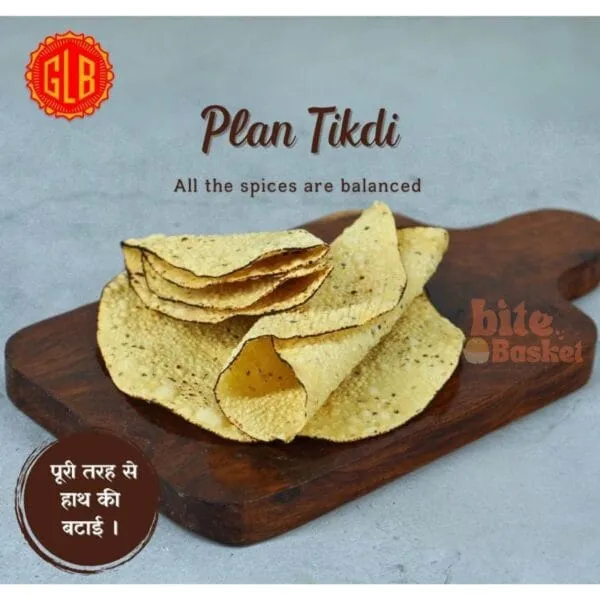
Ordering for a team? Don't decide from a catalogue. Get a sample hamper first: a Girdharilal Bikaneri Bhujia, a pack of Bikaneri papad, and the desi-ghee soan papdi. Taste them in the admin meeting, then place the bulk order with confidence. Your team will taste the difference between a considered gift and a panic buy.
Frequently Asked Questions
When should offices send Diwali gifts in 2026?
Dispatch by the last week of October 2026. Diwali (Lakshmi Puja) falls on Sunday, November 8, and courier networks are overloaded in early November. Gifts should reach employees before the Diwali week begins.
How much should a company spend per employee on Diwali gifts?
₹500–₹1,000 per head works for most companies. The key rule: spend identically within each band. One standard hamper for all employees avoids comparison and resentment; if you tier, keep the gap modest and the quality equal.
Are food hampers better than showpieces for corporate Diwali gifts?
Yes, for most teams. Food gets consumed and shared; decor accumulates. Namkeen hampers in particular travel well, suit all ages and diets, and break the monotony of the five identical mithai boxes every employee receives.
What should offices avoid in Diwali gifts?
Meltable or perishable items, alcohol, visibly tiered gifts handed out publicly, and last-minute ordering. Also verify third-party hamper contents yourself — "premium" vendor boxes sometimes include items inappropriate for a diverse workforce.
How do you handle Diwali gifts for remote employees?
Ship to their home addresses with the same timeline as office distribution. Courier the hampers in the last week of October so remote team members receive them before the festival week, not after.