
Chivda Recipe (Bikaneri Style): Crunchy Poha, Sev & Nuts in 20 Minutes
By Bite Basket · • 15 views
Chivda is a crunchy Indian snack mix made from flattened rice (poha), roasted peanuts, curry leaves and spices. This Bikaneri-style version adds crisp besan sev, fried moth dal and a pinch of hing, and it comes together in about 20 minutes. It keeps for three weeks in an airtight jar, which is exactly why it lives on my kitchen shelf.
I'll be honest with you. Chivda isn't originally a Bikaneri dish at all. It's Maharashtrian, a Diwali staple there, and the classic version is all about thin poha and peanuts. So why is a Bikaner snack shop writing about it? Because the moment you fold in Bikaneri sev, that fine, salty besan strand Bikaner has been frying for generations, the whole mix changes character. It gets louder. Saltier. More Bikaner.
I've made this recipe a dozen times now, tweaking it after every batch, and the version below is the one that disappears fastest. Two ways to make it, too: a lighter roasted one for everyday snacking, and a fried one for when you want the real Diwali-jar crunch. (If you want a second opinion on the two methods, Veg Recipes of India covers both in detail, and Hebbars Kitchen's step-by-step version is worth a look too.)
What is chivda, exactly?
Chivda (sometimes spelled chiwda) is a savoury trail mix of Indian snacks, usually made with flattened rice. The base is poha, flattened rice flakes, tossed with roasted peanuts, chana dal, cashews, dried coconut and a tempering of mustard seeds, curry leaves, green chillies and hing. Sugar goes in too, just a spoonful, and that sweet-salty balance is the whole point. No single ingredient dominates. You get a little of everything in every handful.
Across India it wears different names and slightly different ingredients. Maharashtra leans on thin poha and peanuts. Karnataka adds more coconut. Gujarat's version leans sweeter. And in Bikaner? We throw sev in, because of course we do. A namkeen mix without sev in this town would feel unfinished, like chai without elaichi.
Which poha should you buy?
This is the one decision that actually matters, so get it right. There are two kinds of poha in the shop, and they behave very differently.
| Poha type | Best for | How it cooks |
|---|---|---|
| Thin poha | Roasted chivda | Dry-roast 2–3 minutes on low flame; turns papery-crisp |
| Thick poha | Fried chivda | Deep-fry in hot oil in small batches; puffs and crisps |
Thin poha is delicate. It burns if you look away, so keep the flame low and keep the pan moving. Thick poha is forgiving but it drinks oil if the oil isn't hot enough, wait for it to shimmer before the first batch goes in. I use thin poha most days because the roasted version is lighter, and honestly, I eat this stuff by the handful while working. The fried version? That's the Diwali jar. That's the one guests ask about.
Chivda recipe (Bikaneri style): ingredients
This makes one large jar, about 4 cups. It feeds a family for a week, or one determined snacker for three days. You know which one you are.
- 3 cups thin poha (for the roasted version), or 400 g thick poha (for fried)
- ½ cup peanuts
- ¼ cup roasted chana dal
- 2 tablespoons cashews, halved
- 2 tablespoons dry coconut, sliced thin
- 1 cup fine besan sev, the Bikaneri bit
- ¼ cup fried moth dal (optional, but it adds a lovely earthy crunch)
- 2 tablespoons oil
- 1 teaspoon mustard seeds
- 1 teaspoon cumin seeds
- 10–12 curry leaves
- 2 green chillies, slit
- 2 dried red chillies, broken
- A generous pinch of hing (asafoetida)
- ¼ teaspoon turmeric powder
- 1 teaspoon red chilli powder
- 1 teaspoon powdered sugar
- Salt to taste
About the sev: if you buy it, get the fine barik sev, not the thick mota kind. The thin strands fold into the mix instead of sitting on top of it. We use the same style of sev that goes into our Navratan Mixture. If you don't feel like frying anything today, that jar does half this job already.
How to make chivda: roasted version (15 minutes)
This is the everyday version. Less oil, less mess, and the poha stays light enough to eat without feeling heavy.
1. Roast the poha. Heat a wide, thick-bottomed kadai on low flame. Add the thin poha and dry-roast it for 2–3 minutes, shaking the pan gently instead of stirring with a spoon. The flakes are papery and they tear easily. You'll know they're done when they feel crisp between your fingers and make a faint rustling sound. Tip them out and set aside.
2. Roast the nuts. In the same kadai, add a teaspoon of oil and roast the peanuts, chana dal and cashews on medium flame for 2–3 minutes, until the peanuts turn a shade darker and smell nutty. Don't walk away here. Peanuts go from golden to burnt in about thirty seconds, and burnt peanuts will haunt the whole jar.
3. Temper. Heat the remaining oil. Add mustard seeds and wait for them to crackle, then cumin, curry leaves, green chillies, dried red chillies and hing. Thirty seconds, no more. The curry leaves should crisp, not blacken.
4. Spice it. Lower the flame. Add turmeric, red chilli powder and salt. Stir for ten seconds, then add the roasted poha, the nuts, coconut, sev and moth dal. Toss everything gently for 2–3 minutes so the spices coat evenly.
5. Finish. Switch off the flame. Sprinkle in the powdered sugar and mix once more. Let it cool completely (this is the hard part) before sealing it in a jar.
How to make chivda: fried version (20 minutes)
Same ingredients, different treatment. Use thick poha here. Fry it in hot oil in small batches using a fine strainer, a few seconds per batch, until it puffs and crisps. Drain on paper towels. Fry the peanuts, cashews, coconut and curry leaves the same way. Then make the tempering exactly as above, toss everything together with the spice mix and sugar, and cool before jarring.
The fried version is richer and crunchier, and it keeps just as long. It's also the one I'd serve guests with chai. The roasted one is the one I eat standing in the kitchen, straight from the jar, telling myself it's just one more handful.
5 mistakes that ruin chivda (I made all of them)
Roasting poha on high flame. It shrinks, browns unevenly and tastes bitter. Low flame, patience, shaking the pan. That's it.
Adding sugar while the flame is on. It melts, clumps and turns sticky. Sugar goes in last, flame off, always.
Jarring it warm. Steam is the enemy. Even slightly warm chivda sealed in a jar goes soft by morning. Cool it completely, spread out on a plate, then jar it. (Our full guide on how to store bhujia and namkeen applies word for word here.)
Skipping the hing. It's a pinch. It seems optional. It isn't. Hing is what makes the tempering smell like a proper Indian snack instead of plain roasted rice flakes.
Overloading the nuts. More peanuts sounds better. It isn't. Past half a cup, the mix stops being chivda and starts being expensive peanuts with some poha in it.
How long does homemade chivda last?
Three weeks, easily, in an airtight steel or glass jar kept in a cool, dry place. The roasted version sometimes stretches to a month because there's less oil to go stale. Two rules: always use a dry spoon, and never leave the jar open on the counter. Bikaner's dry heat is actually kind to chivda. Humidity is what kills crunch, and we don't get much of that here.
If it does go slightly soft, don't throw it away. Spread it on a tray and warm it in a low oven or a dry kadai for two minutes. It comes right back.
No time to make it? Buy the Bikaneri version
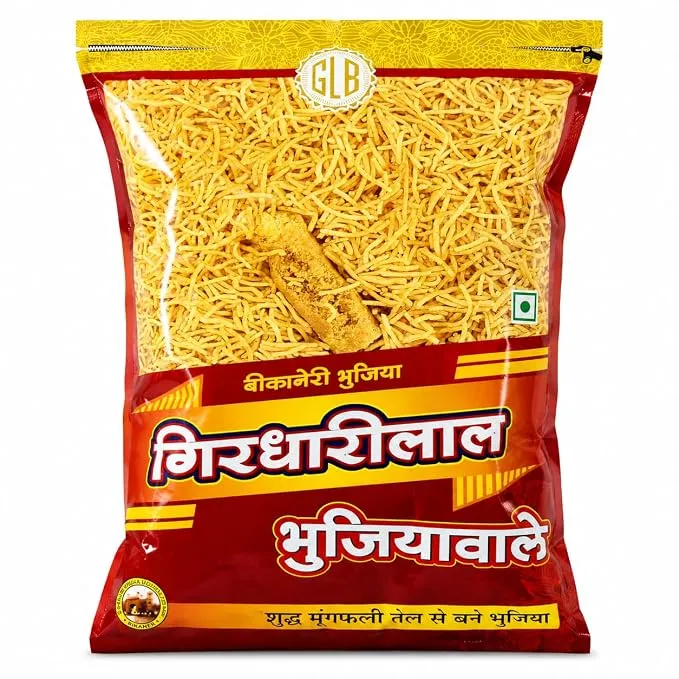
Some weeks the jar is empty and the evening is busy, and that's fine. Girdharilal's Chiwda is the ready-made Bikaneri answer, from a house frying namkeen in Bikaner since 1978: light, crisp and properly spiced. It's the closest thing to this recipe without turning on the stove. And if you like your mixes heavier on the sev and spice, our Navratan vs Kashmiri vs Cornflakes mixture guide will help you pick the right jar.
Either way, homemade or bought, keep a jar of something crunchy within reach. A cup of chai with nothing to dunk or munch alongside it is a missed opportunity, and Bikaner doesn't believe in missed opportunities.
Chivda variations worth trying
Once you've made the base recipe, it takes to variations happily. A few that worked on my bench:
- With makhana: roast a handful of makhana and fold it in. It's lighter, and it soaks up the spices beautifully.
- With cornflakes: unsweetened cornflakes add a different crunch; the same trick works in our homemade namkeen recipes too.
- With potato strands: fry thin potato sticks (aloo lachha) and mix them in. This is the version my kids ask for, and it's the one that empties the jar fastest.
- Jain version: skip the hing? No. Hing is fine for Jain cooking, but skip the green chillies' seeds if you want it milder, and keep the garlic out entirely (there's none in this recipe anyway).
One thing I wouldn't change: the sugar. Some recipes leave it out, and the result tastes flat, like something's missing but you can't name it. That one teaspoon is doing quiet work.
FAQ
Is chivda the same as namkeen mixture?
Not quite. Chivda is one kind of namkeen mixture, built on poha. A Bikaneri mixture like Navratan is built on sev, boondi and dal instead. Same family, different backbone. Bikaner's mixtures lean heavier on besan and spice.
Can I make chivda without frying anything?
Yes. The roasted version above uses just two tablespoons of oil for the whole jar. Dry-roast the poha and nuts, temper the spices, and toss. It stays crisp for weeks.
Which poha is best for chivda: thin or thick?
Thin poha for the roasted version, thick poha for the fried version. Thin poha turns papery-crisp in a dry pan; thick poha puffs up when fried. Swap them and you'll get either burnt flakes or soggy ones.
Is homemade chivda healthy?
It's a snack, not a health food. But the roasted version is lighter than most fried namkeens, with peanuts and chana dal adding protein and fibre. Keep the portion to a small bowl, go easy on the sugar, and it fits fine into an everyday snack routine.
Where can I buy ready-made chiwda online?
Girdharilal Chiwda on BiteBasket ships across India, a Bikaneri take on the classic mix from a maker frying in Bikaner since 1978. If you want something spicier, try the Bishanlal Babulal bhujia range or the Hadman Ji 3 No. bhujia alongside it.
Comments
Add a comment ↓No comments yet. Be the first to share your thoughts.
Leave a comment
Your email address will not be published. Comments appear after our team has read them.