
Bikaneri Mixture vs Bombay Mixture: What's the Difference?
Published on • 3 views
Short answer: Bikaneri mixture is built around Bikaneri bhujia — thin, moth-dal sev with fried dal, peanuts and a dry, peppery spice mix. Bombay mixture is sweeter, softer and more varied, with curry leaves, raisins and a milder, slightly sweet masala. If you want crunch and heat, pick Bikaneri. If you want a mellow, sweet-savoury handful, pick Bombay.
Walk into any namkeen shop in Bikaner and ask for "mixture" and you will not get a generic packet. You will get a blend that starts with bhujia. Walk into a shop in Mumbai and ask for the same word, and you will get something quite different. Both are called mixture. They are not the same snack.
This guide breaks down what actually goes into each one, how they taste side by side, and which one suits which occasion — so you can order the right packet the first time.
What Is Bikaneri Mixture?
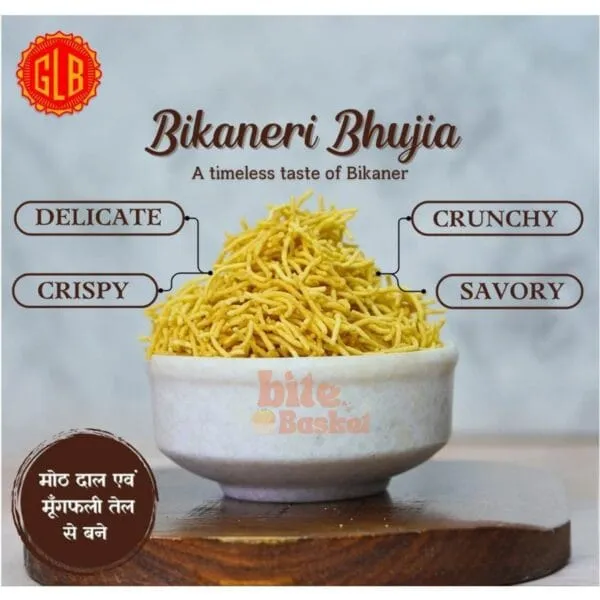
Bikaneri mixture starts with the city's most famous export: Bikaneri bhujia. That bhujia is made from moth dal flour and besan, pressed into thin strands and fried crisp. To it, Bikaner's halwais add fried chana dal, roasted peanuts, and sometimes sev in a thicker cut, all tossed in a dry spice mix of salt, red chilli, black pepper and a little amchur.
There is no sugar in a traditional Bikaneri mixture, and no curry leaves or raisins. The flavour is savoury first, spicy second, and it stays dry on the fingers. That dryness matters — it is why the mixture stays crisp in a steel dabba for days and why it pairs so well with chai. It does not melt, clump or turn sticky in heat.
When you buy a Bikaneri namkeen mixture from BiteBasket, you are getting this style: bhujia-led, dal-heavy, and seasoned the way Bikaner's shops have done it for generations. The exact mix varies a little from maker to maker — some add more peanuts, some lean heavier on the bhujia — but the base never changes.
What Is Bombay Mixture?
Bombay mixture, also sold as Mumbai mixture, comes from a different snacking tradition. Its base is usually a mix of sev, gathiya, puffed rice or flattened rice (poha), fried dal and peanuts — but the seasoning is where it really departs. Curry leaves, mustard seeds, a pinch of sugar, and often raisins or dried coconut give it a sweet-savoury, aromatic character.
The texture is softer and more varied. You get crunch from the sev, chew from the raisins, and a light, almost fluffy bite from the puffed rice. The heat is gentler too. Bombay mixture is rarely fiery; it is designed to be eaten by the handful, by everyone at the table, including people who do not like very spicy food.
It is a wonderful snack. It is just not a Bikaneri snack. If you grew up on Bikaneri bhujia, Bombay mixture can taste surprisingly mild — and a little sweet — on the first bite.
Bikaneri Mixture vs Bombay Mixture: Side by Side
| Bikaneri Mixture | Bombay Mixture | |
|---|---|---|
| Base ingredient | Bikaneri bhujia (moth dal sev) | Mixed sev, gathiya, puffed rice or poha |
| Key extras | Fried chana dal, peanuts | Peanuts, raisins, curry leaves, sometimes coconut |
| Sweetness | None — fully savoury | Mild sweetness from sugar and raisins |
| Spice level | Medium to hot, peppery | Mild to medium |
| Texture | Uniformly crisp and dry | Mixed — crisp, soft and chewy in one handful |
| Best with | Chai, nimbu pani, as a travel snack | Evening tea, as a party bowl snack |
How They Taste, Honestly
Eat Bikaneri mixture and the first thing you notice is the bhujia itself — thin, salty, with a clean chilli-pepper finish that builds slowly. The fried dal adds a deeper, nuttier crunch, and the peanuts round it out. Nothing in the packet fights for attention. It is one flavour, done well.
Eat Bombay mixture and the experience is busier. One handful might give you curry leaf aroma, then a sweet raisin, then a salty peanut, then soft poha. It is a snack for grazing — you keep reaching in because every handful is slightly different.
Neither is "better" in the abstract. It depends on what your mouth wants. Bikaneri mixture is for people who like their namkeen straightforward and spicy. Bombay mixture is for people who like a little sweetness with their salt.
Which One Should You Buy?
Pick Bikaneri mixture if: you love bhujia, you want something to eat with chai every evening, you are packing snacks for travel, or you are gifting to someone who knows Bikaneri food. It travels well, keeps crisp, and does not need refrigeration.
Pick Bombay mixture if: you are filling a bowl for guests with mixed tastes, you prefer mild spice, or you like sweet-savoury snacks. It works well at card parties and family gatherings where children and elders are eating from the same bowl.
Buy both if: you are stocking a pantry. They do different jobs. Bikaneri mixture is the daily workhorse; Bombay mixture is the weekend guest snack. Many Bikaner families keep a bhujia-led mixture for themselves and a milder one for visitors — there is no rule that says you must choose.
How to Spot a Real Bikaneri Mixture When Buying Online
Mixture is one of the easiest snacks to fake with a generic factory blend, so check three things before you order. First, read the ingredients: bhujia or moth dal should be near the top of the list, not buried after potato starch and palm oil. Second, look at the maker. Bikaneri mixtures worth buying come from Bikaner makers — Bikaneri bhujia brands whose names you can trace to a shop in the city, not a faceless bulk pack.
Third, check the oil. Many of Bikaner's traditional makers fry in groundnut oil rather than palm oil, which keeps the flavour cleaner and the strands crisper. If a packet does not say which oil it uses, that silence is worth noticing. You can read more about why this matters in our guide to no palm oil bhujia.
Finally, buy a small pack first. Mixture is personal — one family's "perfectly spiced" is another's "too hot." A 200–400g pack tells you everything you need to know before you commit to a kilo.
Taste It for Yourself
The easiest way to settle this debate is to taste both styles side by side. Start with a bhujia-led Bikaneri namkeen from BiteBasket's Bikaneri namkeen collection, add a pack of Girdharilal chiwda for the mixture-style crunch, or pick a combo pack if you want to try several Bikaneri snacks in one order. Order, taste, and then decide which mixture earns the permanent spot in your dabba.
Frequently Asked Questions
Is Bikaneri mixture the same as Bikaneri bhujia?
No. Bhujia is a single snack — thin sev made from moth dal and besan. Mixture is a blend that uses bhujia as its base and adds fried dal, peanuts and spices. Think of bhujia as the hero and mixture as the full team.
Is Bombay mixture spicy?
Usually only mildly. It leans sweet-savoury, with curry leaves and raisins softening the heat. If you want real heat, Bikaneri mixture is the better pick.
Which mixture lasts longer once opened?
Bikaneri mixture, generally. Its dry, no-sugar, no-raisin mix stays crisp longer in an airtight container. Bombay mixture's raisins and poha can soften faster in humidity. Either way, keep both sealed and away from moisture — see our guide to storing bhujia and namkeen.
Can I serve Bikaneri mixture at a party?
Absolutely — just warn guests it is spicy. Put out a milder option alongside it, and the Bikaneri mixture will still be the bowl that empties first among spice lovers.
At the end of the day, the Bikaneri vs Bombay question has no wrong answer, only a personal one. But if you ask Bikaner, the answer is already settled — and it starts with bhujia.