Soan Papdi vs Patisa vs Fini: Bikaner's Flaky Sweets, Explained
Published on • 3 views
Short answer: soan papdi, patisa and fini are three different Bikaneri sweets that look similar but eat very differently. Soan papdi is light, flaky and melts into threads on the tongue. Patisa is denser, richer and more filling. Fini is Bikaner's own crisp, thread-like sweet — dry, delicate and nothing like the other two. If you want something light after a heavy meal, pick soan papdi. If you want a proper, satisfying sweet, pick patisa. If you want something unusual that only Bikaner really does this way, pick fini.
Walk into a Bikaneri sweet shop before Diwali and you will see all three sitting side by side, usually in open trays, and it is easy to mix them up. They are all pale, golden, and made with flour, ghee and sugar. But ask any Bikaner family which one they buy for which occasion, and they will have a clear answer. This guide explains the difference in plain terms, so you order the right box the first time.
What Is Soan Papdi?
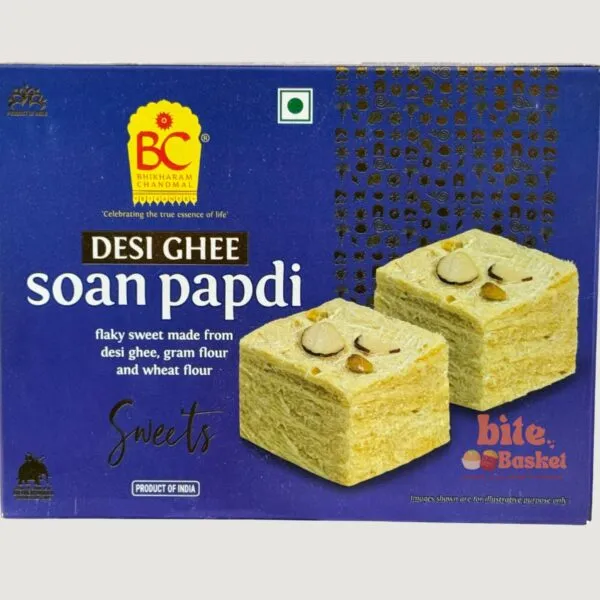
Soan papdi is the one most people outside Rajasthan know. It comes in soft, flaky layers that fall apart the moment you bite in. Good soan papdi is not hard or dry. It should feel almost like eating sweet, buttery threads, with a little crunch from chopped almonds and pistachios on top.
It is made by cooking besan and refined flour in ghee, then pulling and folding hot sugar syrup through the mixture again and again until it forms thousands of fine strands. That pulling is what gives soan papdi its famous flaky texture. Done well, it melts. Done badly, it turns into a hard, sugary block — and that is usually the difference between a good maker and a mass-produced pack.
Soan papdi is the safest sweet to gift. Almost everyone likes it, it travels well, and a box keeps for weeks in a cool, dry place. Bikaner's well-known makers, including Bhikharam Chandmal, sell desi ghee soan papdi that is a good example of the style: flaky, not too sweet, and topped with nuts rather than drowned in syrup.
What Is Patisa?
Patisa is soan papdi's richer cousin. The two are often confused, and honestly, some shops sell one under the other's name. But there is a real difference. Patisa is denser and heavier. Where soan papdi flakes into threads, patisa holds together in a soft, slightly grainy slab. It tastes more of ghee and roasted flour, and one piece is enough — it fills you up in a way soan papdi does not.
The making process is similar at the start — flour roasted in ghee, sugar syrup folded in — but patisa is pulled less and set thicker. The result is a sweet that feels more substantial. People who find soan papdi too light, or too sweet without enough body, usually prefer patisa.
Patisa is a good choice when the sweet is the main event, not an afterthought. For a family gathering, a festival box, or a gift to someone who genuinely loves mithai, patisa feels more generous than a light, flaky sweet. Serve it in small pieces. It is rich, and a little goes a long way.
What Is Fini?
Fini is the one that surprises people. If soan papdi melts and patisa fills, fini crunches — very, very lightly. It is made of hair-thin strands of sweetened dough, wound into a nest or a flat round, and it shatters delicately when you break off a piece. It is dry, not syrupy, and it tastes more of roasted flour and ghee than of sugar.
Bikaner is famous for fini in a way few other cities are. The town has specialist fini makers — Kishanji Fini Wale is one name Bikaner families know — who have been making it the same way for years, by hand, in small batches. That matters, because fini is unforgiving. If the strands are too thick, it turns chewy. If the sugar is off, it turns sticky. Good fini is crisp, light and clean-tasting, and it does not leave your fingers sticky.
Fini is best eaten fresh and plain, with nothing else competing with it. It goes beautifully with a cup of tea, and it is a lovely gift for someone who has already had enough of the usual Diwali sweets. If you are gifting to a Bikaneri living away from home, fini is the box that usually gets the strongest reaction — because it is hard to find done properly outside Bikaner.
Soan Papdi vs Patisa vs Fini: Side by Side
| Soan Papdi | Patisa | Fini | |
|---|---|---|---|
| Texture | Light, flaky, thread-like | Dense, soft, slightly grainy | Crisp, dry, hair-thin strands |
| Richness | Light to medium | Rich and filling | Light, clean-tasting |
| Sweetness | Moderate, melts quickly | Noticeably sweet, stays with you | Gentle, not syrupy |
| Best for | Gifting, after meals, guests | Festival boxes, mithai lovers | Tea time, nostalgic Bikaneri gifts |
| Storage | Keeps well in a cool, dry place | Keeps well, protect from heat | Eat sooner; keep airtight and dry |
Which One Should You Buy?
Buy soan papdi if: you are gifting to people with different tastes, you want a safe, well-liked sweet, or you want something light after a big meal. It is the most versatile of the three.
Buy patisa if: you love rich mithai, you want the sweet to be the centrepiece of the box, or you are buying for a festival. Go for a smaller box than you think — patisa is filling.
Buy fini if: you want something distinctly Bikaneri, you are gifting to someone from Bikaner, or you are tired of the same Diwali sweets. Pair it with a savoury snack in the same order and you have a complete gift: something sweet, something salty.
Buy all three if: you are putting together a Diwali or wedding gift box. They look beautiful together — pale gold, three different textures — and they let the person receiving the box choose their favourite instead of being stuck with one sweet they may not love.
How to Buy Good Ones Online
Three things matter more than the brand name on the box. First, check the fat used. Desi ghee sweets taste cleaner and richer than ones made with vanaspati, and the difference is obvious in soan papdi and patisa, where ghee is a main flavour, not a background note. Second, look at the maker. Sweets from a Bikaner halwai, made in small batches, usually beat a generic factory pack — especially for fini, which does not survive careless handling.
Third, buy a small box first if you have never tried a maker's version. Sweetness levels vary a lot between shops, and one family's "just right" is another's "too sweet." A small box tells you everything before you order a kilo for Diwali.
Storage matters too. Keep all three in airtight boxes, away from heat and moisture. Fini in particular hates humidity — once it goes soft, it never quite comes back. Soan papdi and patisa are more forgiving, but they still lose their texture if left open in a damp kitchen.
Taste It for Yourself
The honest way to settle this is to taste all three side by side, and that is exactly what a Bikaneri gift box is for. Start with a Bikaneri combo pack from BiteBasket if you want sweets and savouries together, add a pack of Bikaneri bhujia for the salty balance, and you have a Diwali gift that covers both cravings. Order a small box of each sweet, taste them with your family over chai, and let everyone pick their favourite. In most Bikaner homes, the answer is never just one — it is one of each, for different moods.
Frequently Asked Questions
Is soan papdi the same as patisa?
No, though they are close cousins. Soan papdi is lighter and flakier, made by pulling sugar syrup into fine threads. Patisa is denser, richer and more filling. If you like light sweets, pick soan papdi. If you like rich mithai, pick patisa.
What is fini made of?
Fini is made from fine strands of flour-based dough, sweetened and set into a crisp, nest-like shape. It is dry, delicate and lightly sweet, and it is a speciality of Bikaner, where specialist fini makers still make it by hand.
Which of the three lasts longest?
Soan papdi and patisa keep best, for weeks in a cool, dry, airtight container. Fini is the most delicate — keep it airtight, away from moisture, and eat it sooner rather than later for the best crunch.
Which one is best for Diwali gifting?
Soan papdi is the safest all-round gift. Patisa suits people who love rich mithai. Fini is the most memorable gift for someone from Bikaner or someone who has tried the usual sweets many times before. A box with all three is hard to beat.
At the end of the day, there is no single winner here. Bikaner makes all three because different moments call for different sweets. Light and flaky, rich and filling, or crisp and unusual — now you know which box to reach for.